

Crash
Aviator, JetX and plinko-style drops; demo credit on many of them.

Pick by pace. A FairPlay crash or RNG round settles in seconds, while a studio dealer needs roughly 25 to 45 of them per hand. Both speeds, plus slots and virtual cricket, open from one ID, and a ₹10 crash stake is the cheapest real round once demo credit has taught you the button.
Same username for every family below. Type nothing here; the button hands you to the secure FairPlay sign-in.
Most people who type fairplay games into a search bar want a short answer first. What is actually in there? Six families, sorted the way the FairPlay lobby sorts them, and the same login reaches all of them.
Crash
Aviator, JetX and plinko-style drops; demo credit on many of them.
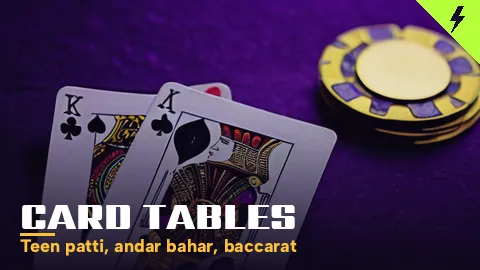
Card tables
Teen patti, andar bahar, dragon tiger, baccarat and blackjack.
Wheel
Roulette, both live dealer and faster RNG tables.

Dice
Sic bo, three dice, results settled in one shake.

Slots
Reel games, many playable on demo credit before any deposit.

Virtual cricket
Simulated matches that settle without waiting on a real fixture.
Crash comes first in that list on purpose. On a phone, it is the family people open most, because a round fits into the gap between two overs. FairPlay keeps Aviator on FairPlay as its best-known crash title (its multiplier rules and round timing have their own page here), with JetX sitting next to it and a set of plinko-style games where a ball drops through pegs and lands on a multiplier slot. The card tables are where Indian players tend to settle in for longer sessions. Wheel and dice are smaller groups. Slots are the widest shelf by title count, and virtual cricket is the odd one out: a simulated match, not a dealt card or a spun reel.
Crash, up close. A multiplier starts climbing and you cash out before the round ends; wait too long and the stake is lost. JetX runs the same idea with a jet instead of a plane. The plinko-style drops are different in feel: a ball falls through rows of pegs and lands in a slot that carries its own multiplier, so there is no button to time. On FairPlay this is the family with the most demo credit, and the one where ₹10 gets you into a real round.
Card tables. This is where FairPlay sessions run longest, and teen patti is usually the first seat taken, three cards a hand and a game many players grew up with at Diwali. Andar bahar draws one middle card, then deals to two sides until one of them matches it. Dragon tiger is the fastest of the lot: one card each side, higher card wins. Baccarat asks you to back the player or the banker hand, whichever lands closer to nine, and blackjack is the familiar push toward 21 without going over. Every one of these FairPlay tables comes in a live dealer form and, for most, a quicker RNG copy too.
Wheel. Roulette only. A ball, a numbered wheel, and stakes placed on a single number, a group, or odd and even. Short to learn. The live wheel is the slow version; the RNG wheel settles in a moment.
Dice. Sic bo shakes three dice under a cover, and you stake on totals or on particular combinations showing up. It is a small family on FairPlay, one title type, but it suits people who find card tables too wordy.
Slots. The biggest shelf by far. Reels spin, symbols land on paylines, the paytable inside each title says what pays. Many FairPlay slots open on demo credit, so you can read that paytable and test a few spins before any money moves.
Virtual cricket. A simulated match with software deciding each ball, which means it runs whether or not a real fixture is on. Players often use it on days without an IPL or India game, when the sports side of FairPlay is quiet.
One thing does not change between families: the wallet. A rupee won at a FairPlay card table is the the same rupee you can carry into a slot, a crash round or, outside this page, a sports market.
Round length matters more than people expect. It decides how many FairPlay rounds you sit through in ten minutes, and how long you wait between a decision and a result. The ledger below lists what the desk can confirm for each family.
Two speeds, then. A live dealer round on FairPlay takes roughly 25 to 45 seconds, because a real person in a studio has to shuffle, deal or spin, and the betting window has to stay open long enough for players on slower connections. RNG tables (random number generator, no studio) skip all of that and settle faster. That gap is the whole reason some players stick to RNG blackjack during a match break and only move to the live version when they have proper time.
Composite example from desk chats: a player opens FairPlay at the start of an innings break, tries two RNG dragon tiger hands, then a live teen patti round. The RNG hands are done before the live dealer has finished the first shuffle. Same wallet, same login, very different pace.
Exact seconds for each individual title are not something the desk publishes. Studios adjust their timers, and a busy table can feel slower than a quiet one. Treat the 25-45 second figure as the live dealer range, not a promise for any single FairPlay game.
Someone typing fairplay game is usually after one title, often a crash round. Someone typing fairplay games wants the full shelf. Both land here, because one FairPlay ID covers both questions.
Demo credit applies to many slots and crash titles. It never applies to the live dealer tables run by Evolution and Ezugi.
The phrase fairplay online games maps to casino, crash and slots together. The FairPlay wallet does not split them, so a balance moves between them without a transfer step.
Search fairplay game online from a phone on an IPL night and a crash title usually loads first, because it carries no studio video.
This is the split that confuses new FairPlay players most often. Demo credit is real in the sense that you can spin and cash out of a crash round with it. It is not real money. And it only exists on part of the shelf.
Demo credit
Live dealer
Why the difference? A slot or a crash round is software. The provider can run a free copy of it for every visitor at almost no cost. A live table is a studio with a dealer, cameras and a card shoe, and every seat at it is a real seat. So FairPlay can offer a demo of the first kind and simply cannot of the second.
In practice, most people use demo credit for one specific job: learning how a crash game feels before putting ₹10 on it. The multiplier climbs, you tap cash out, you see what happened. Ten demo rounds teach more than any description on this page. Then they switch to the real FairPlay wallet for the same title, and the screen looks identical, which is the point.
A quick warning that comes up in chats. If a title you expected to be free asks for a deposit, it is probaly a live table or one of the slots without a demo build. That is normal. Not every FairPlay game ships with demo credit, and the desk cannot switch it on for a title that does not have it.

Players ask who actually makes the games. Fair question, since a FairPlay round is only as clean as the studio or the software behind it.
QTech Games is this site's official games partner, shown with its logo and registration line in the footer of every page. Evolution and Ezugi run live dealer tables that appear inside the FairPlay casino group, the place where teen patti, roulette and baccarat dealers sit.
What does that mean for you at the table? Mostly that the live FairPlay games are streamed from proper studios with their own dealers and their own timers, which is why the round length sits in that 25-45 second band rather than being something FairPlay sets. The FairPlay casino tables page covers the studio side in more depth: which tables run round the clock, how table limits are shown, and how the casino login fits into the same account.
Slots and RNG card games come through the aggregated game libraries rather than a studio. They are software rounds. That is also why they can run on demo credit while a dealer table cannot, the same split from the section above, seen from the supplier end.
One honest limit (and a common question): the desk does not publish a list of every individual title per supplier. Titles get added and rotated by the providers. The family list above is stable; the exact slot count inside it is not.
The FairPlay App Desk is app-first, so this is the setup most players here end up using. One username, one password and one wallet carry across four doors:
That last door trips people up. A blocked address can make it look as if a FairPlay game has vanished, when only the domain stopped loading. Your balance, your game history and your demo progress are tied to the ID, not the address. The FairPlay 24 address check shows what a dated probe of the numbered domains actually returned, which is a useful reality check before you assume your account is gone.
Live dealer streams are the heaviest thing in the lobby. On a weak connection, a FairPlay live table might buffer during the dealing, while a slot or a crash round keeps going without a hitch becuase it is mostly numbers, not video. If live tables stutter on mobile data, the RNG versions of the same card games are the practical fallback.
Switching doors mid-session is fine. Start a crash round on the Android app at lunch, finish a roulette session on a laptop browser in the evening, and the wallet shows the same figure on both, because it is one account seen through different screens.
Stake floors differ by family, and the H1 promise of ₹10 needs a small footnote.
| Family | Lowest stake | Where it is detailed |
|---|---|---|
| Crash (Aviator, JetX, drops) | ₹10 | Aviator and online pages |
| Slots | ₹10 | Casino page |
| Live dealer tables | ₹100 per hand on most | Casino page |
| Demo-credit titles | No stake, no deposit | This page |
So ₹10 is real, but only for crash rounds and slots. Sit down at most FairPlay live dealer tables and the floor is ₹100 per hand, with the exact limits shown on the table before you join. For a player with a small balance that difference matters a lot: ₹100 at a live table is ten crash rounds at the minimum.
Sports stakes are a separate matter again, handled on the FairPlay online betting page together with the bet slip and exchange commission. On this page the only point is that the same wallet feeds sports and FairPlay games alike, so nothing has to be moved across before switching from a cricket market to a card table.
Worked example with ₹500 in the wallet: that is fifty crash rounds at the ₹10 floor, or five hands at a ₹100 live table. Same money, very different session length, and the reason many FairPlay players keep the live tables for the end of a night rather than the start.
Notice what is missing from the table: a maximum. Upper limits vary by title and by studio table and are shown inside each game, so the desk does not quote one figure for all of them.
Send game questions as a text to +91 81097 11726. Somebody is on that FairPlay line at any hour. A reply tends to come within about 2 minutes, though on IPL and India match nights you should allow up to roughly 10, because those evenings fill every lobby at once. Message details and the number format are on the FairPlay login number page.
Questions the desk sees again and again about FairPlay games, with the short version of each answer:
Demo button missing on a title
That title has no demo build, or it is a live table. Try another slot or crash title; many of them carry demo credit.
Live table will not let me sit
Live dealer FairPlay tables need a balance. Demo credit does not count there, and most need ₹100 per hand.
Lobby stopped loading
Usually the address, not the account. Ask the desk for a working address; the same ID and wallet open there.
Round felt longer than usual
Live dealer timing runs about 25-45 s and varies with the studio. RNG versions settle faster.
A message gets sorted faster when it carries three things: your FairPlay username, the name of the game, and roughly when the round happened. "Live roulette, about 9:40 pm, balance did not update" gives the desk something to check with the provider. "Game not working" gives it nothing, and the first reply will just be a question back to you. If it concerns a crash round, say whether you were on demo credit or the real wallet; the two look the same on screen, and mixing them up is the single most common reason a FairPlay player thinks a win went missing.
What the desk will not do is tell you which round to play or when to cash out. It handles access, IDs and addresses. The game itself runs on the provider's servers, and nobody at a FairPlay desk sees the next card or the next multiplier.

FairPlay sorts its games by what decides a round. Software decides Aviator, JetX, plinko-style drops, slots and virtual cricket. A studio dealer or an RNG table decides teen patti, andar bahar, dragon tiger, baccarat, blackjack, roulette and sic bo. One login reaches the whole list, with one rupee balance behind it.
Only on part of the shelf. A FairPlay slot or crash title with demo credit lets you spin or cash out using play money, and no deposit is asked. Studio tables with real dealers never offer that, so live teen patti or roulette waits until your wallet holds rupees. Demo winnings vanish when you leave.
The lowest stake is ₹10, and it applies to crash rounds and slots. Most live dealer tables start at ₹100 per hand, with the exact table limits shown before you join. Demo-credit titles need no stake at all, which makes them the cheapest way to learn a game first.
Yes. The same FairPlay username, password and wallet work in the Android app, the iPhone home-screen web app and any phone browser. Crash and slot rounds run smoothly on mobile data, while live dealer streams need a steadier connection because they carry video from the studio.
Two kinds of supplier stand behind the lobby. QTech Games, credited in the footer as the official games partner of this desk, covers the software side. The studio tables in the FairPlay casino group, where real dealers deal teen patti or spin roulette, come from Evolution and Ezugi.